



A Home Is Just The Beginning.
A $27,500 Community Multiplier grant from Mercantile Bank in partnership with the Federal Home Loan Bank of Indianapolis will help more individuals...
4 min read
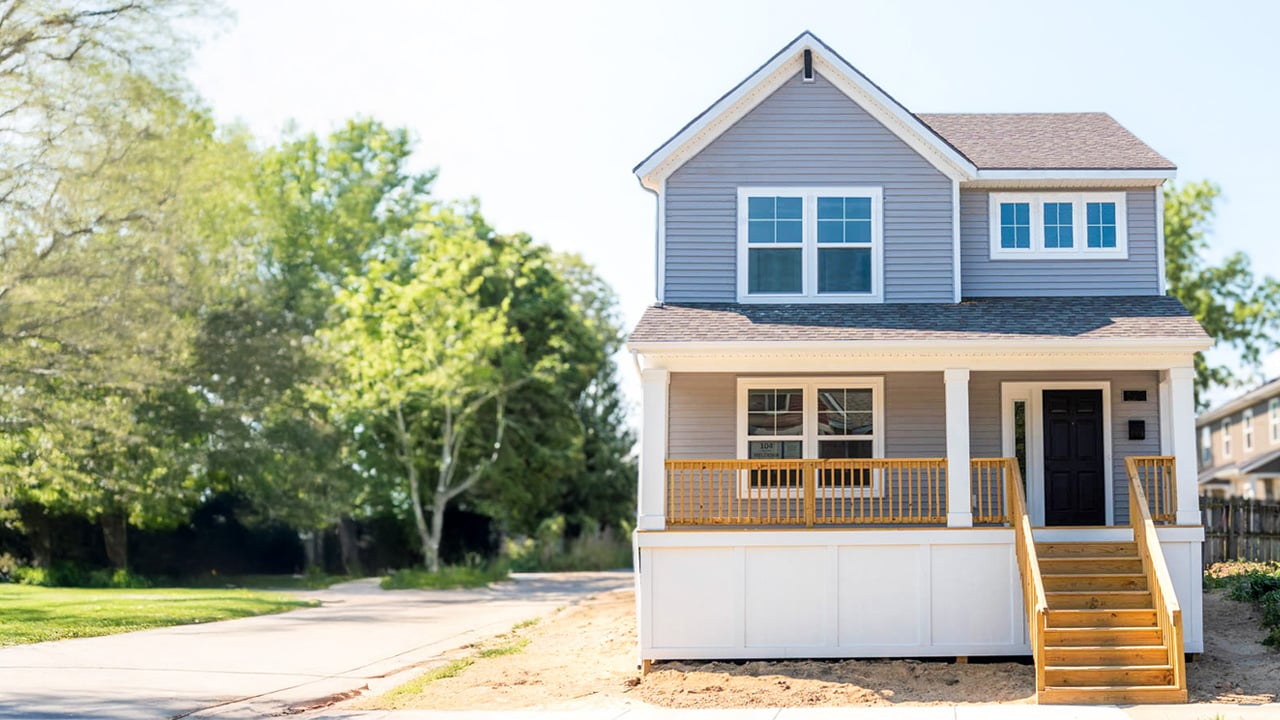
Buying your first home often comes with one big question: how much do you need upfront? For many people, the down payment and closing costs can feel like the biggest hurdle.
That’s where first-time homebuyer programs and down payment assistance programs can make a meaningful difference. These programs are designed to help reduce upfront costs and expand access to home financing, especially for buyers who qualify based on income, location, or other criteria.
Here’s a look at how they work and what to know as you explore your options.
A first-time homebuyer program is any loan or assistance option designed to support people purchasing their first home. In many cases, “first-time” doesn’t literally mean your first purchase ever, it can also apply if you haven’t owned a home in the last three years.
These programs are typically offered through a mix of sources that Mercantile Bank partners with and can help you access:
State housing authorities, such as the Michigan State Housing Development Authority (MSHDA)
Federal Home Loan Banks, including the Federal Home Loan Bank of Indianapolis
Government-sponsored enterprises, like Fannie Mae and Freddie Mac
Local and regional housing non-profit organizations
Each program has its own eligibility requirements, but most are built to address common challenges, such as saving for a down payment or qualifying based on income.
A common misconception is that you need 20% down to buy a home. But many first-time homebuyer loan options allow for lower down payments.
Depending on the program, minimum down payments can range from 0% to 5% for qualified buyers.
For example:
20% down on a $300,000 home = $60,000
That difference can change the timeline for when buying a home becomes possible. Some programs also allow gift funds from family members or other approved sources to help cover part. or even all the down payment.
Down payment assistance (DPA) provides financial support that can be used toward:
Your down payment
Closing costs
Required homebuyer education
This assistance can come in a few different forms:
Grants (typically do not need to be repaid)
Forgivable loans (may be forgiven after a set period if requirements are met)
Deferred payment loans (repaid later, often when the home is sold or refinanced)
In Michigan and surrounding areas, there are several well-known programs available through housing agencies and financial institutions. Mercantile partners with several organizations that offer these programs, including:
Provided by the Michigan State Housing Development Authority (MSHDA), these programs may offer:
Assistance with down payment and closing costs
Income and purchase price limits
Required homebuyer education
Programs supported by the Federal Home Loan Bank of Indianapolis, such as grant-based initiatives, may provide funding to eligible homebuyers through participating lenders. They are usually available on a limited, first-come basis and require buyers to meet income guidelines. Funds are available through participating lenders, like Mercantile Bank.
Programs include:
The Launch Program offers:
Up to $20,000 in grant funding
For first-time buyers earning ≤80% AMI
Minimum $500 borrower contribution
Limited, first-come funding
Funds can be used for down payment and closing costs.
HomeBoost is designed for:
First-time and first-generation homebuyers
Eligible borrowers in Michigan
It may provide:
Because funding is limited on these programs, availability can vary.
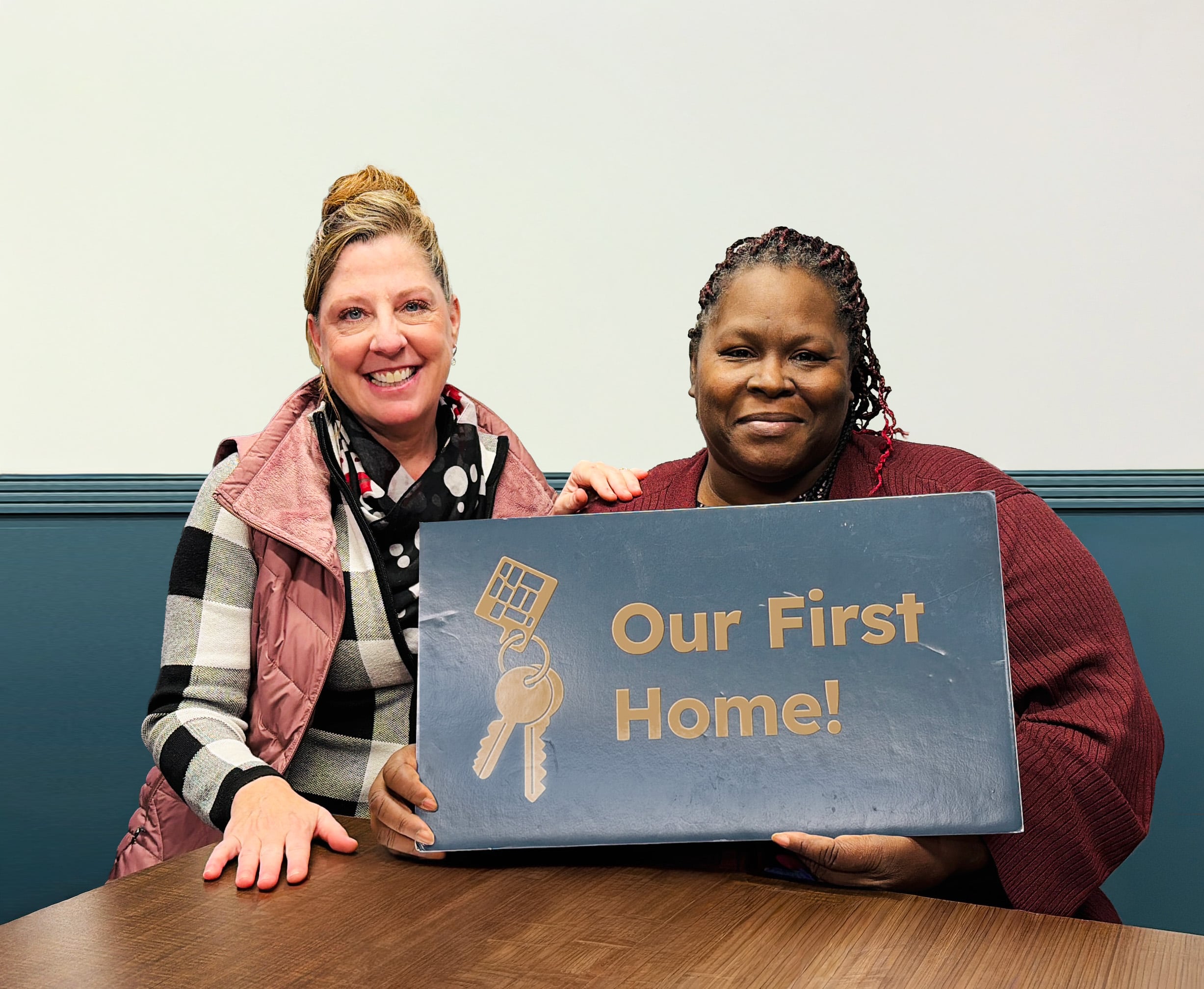
After renting for more than 17 years while raising her granddaughter, Theresa set her sights on homeownership. She stayed committed, worked through available non-profit programs, and continued moving forward. The process felt complex, but our mortgage team helped her navigate it with collaboration, patience, and the extra support she was looking for. At closing, surrounded by family, she just kept saying, “I can’t believe we did it.” For Theresa, homeownership means stability, pride, and everyday moments that matter. We’re grateful Theresa trusted us during this important milestone in her life.
When a down payment is less than 20%, most loans require private mortgage insurance (PMI). This adds to your monthly payment but allows you to purchase a home sooner with a lower upfront investment.
Some first-time homebuyer programs, particularly those backed by Fannie Mae (HomeReady®) or Freddie Mac (Home Possible® and HomeOne®) can offer:
Reduced PMI costs
Flexible underwriting guidelines
Lower minimum down payments
In addition to the down payment, buyers should plan for closing costs, which can include:
Appraisal fees
Title services
Certain assistance programs can help offset these expenses, depending on eligibility.
Many programs require completion of a homebuyer education course before closing. These courses cover:
How mortgages work
Budgeting for monthly payments and maintenance
The full cost of homeownership
While it may feel like an extra step, this education is intended to help buyers better understand the process and make informed financial decisions.
When exploring down payment assistance programs, it’s helpful to understand how home availability works within these programs. In some cases, properties offered through local housing agencies may include features that help keep them affordable over time:
Deed restrictions, while it may sound intimidating at first, they can support long-term affordability for future buyers
Lien requirements tied to assistance, often reduced or forgiven over time
Below-market pricing to make homeownership more attainable upfront
Local program knowledge, working with a realtor experiences in affordable housing and local housing agencies can make a big difference
First-time homebuyer programs and down payment assistance are designed to address one of the most common barriers to buying a home, and having someone to talk through the details can make it easier to connect the dots.
By combining options like low down payment loans, grants or forgivable assistance, and reduced PMI programs, buyers may have more flexibility than they expect. Our Mortgage Loan Officers can help you navigate the options, answer questions, and talk about several different programs.
They can help with:
Explaining loan and assistance options clearly
Talking through program eligibility
Outlining what to expect during the application process
Understanding these options is a strong starting point when exploring first-time homebuyer programs and down payment assistance in Michigan and can help you better evaluate what might fit your situation.
Programs are subject to eligibility requirements, income limits, and availability. Terms may change without notice. Contact a Mercantile Bank Mortgage Loan Officer for full details.
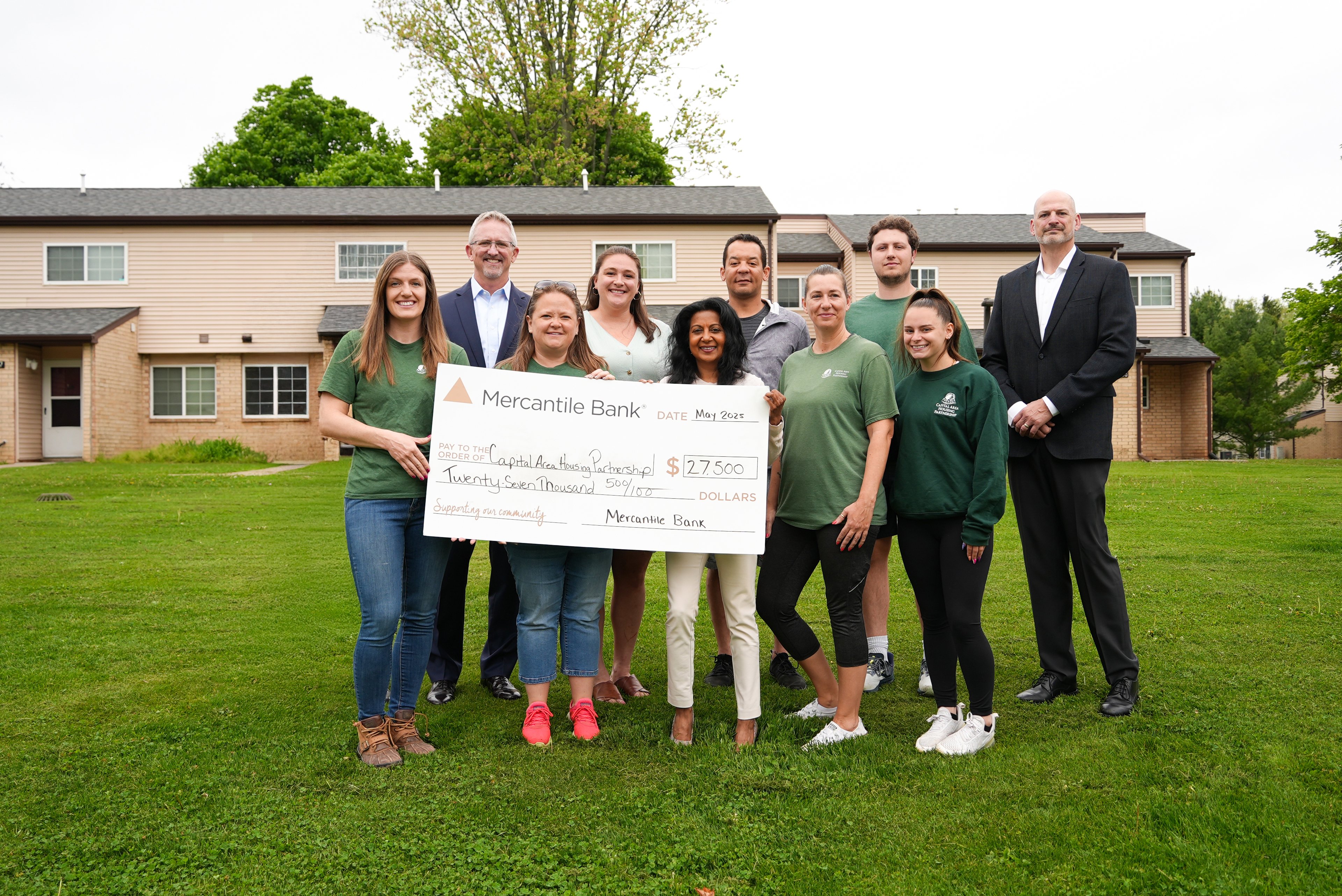
A $27,500 Community Multiplier grant from Mercantile Bank in partnership with the Federal Home Loan Bank of Indianapolis will help more individuals...

Supporting first-generation college students by building financial skills through our partnership with the Federal Home Loan Bank of Indianapolis and...

A $27,500 Community Multiplier grant from Mercantile Bank in partnership with the Federal Home Loan Bank of Indianapolis will help more individuals...

Expanded Contact Center hours for Mercantile Bank offer greater convenience with extended support times Monday through Saturday. Get the help you...
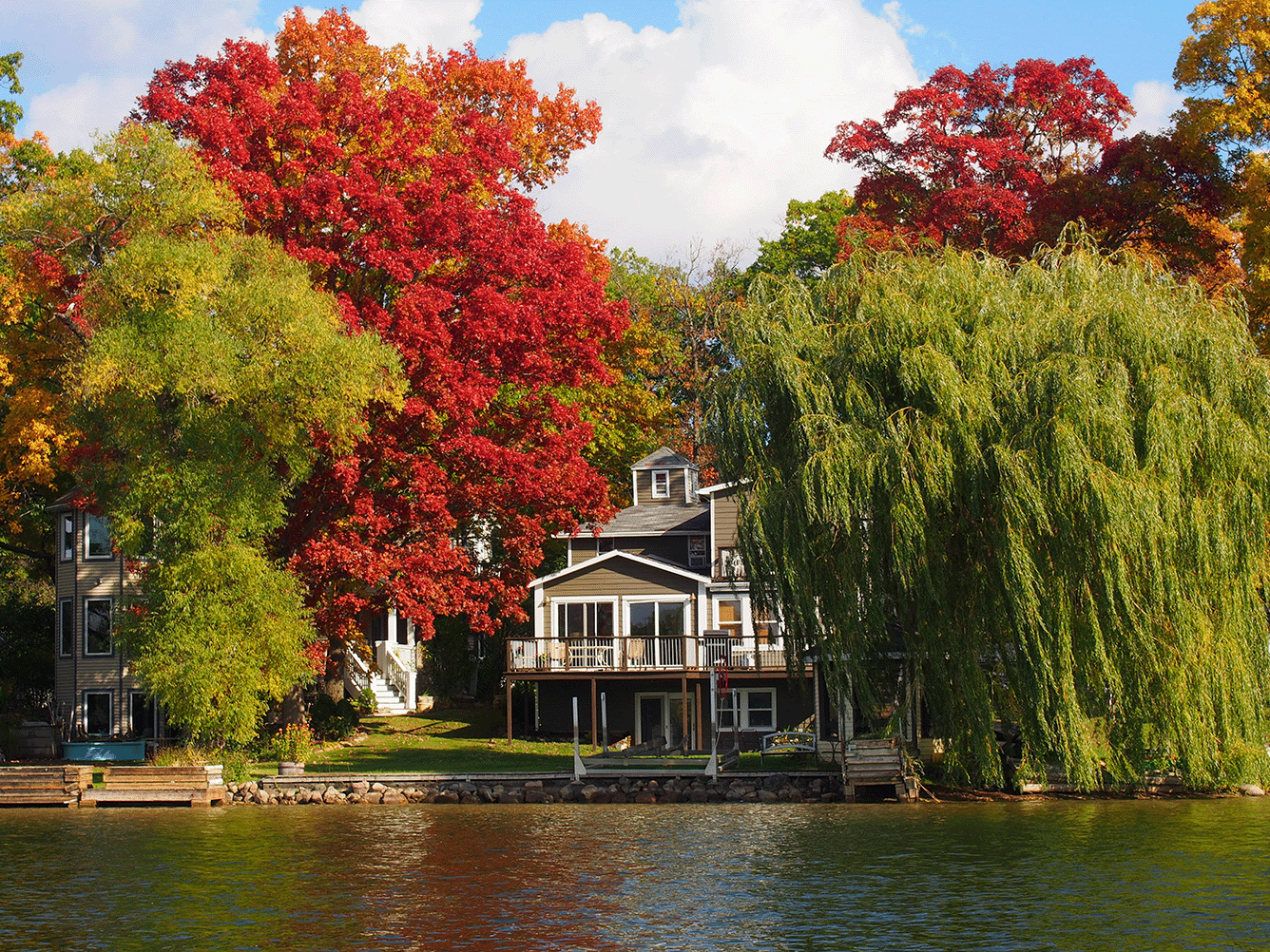
Explore the essentials of financing a second home, from mortgage options to true ownership costs, and discover if it's the right choice for you.
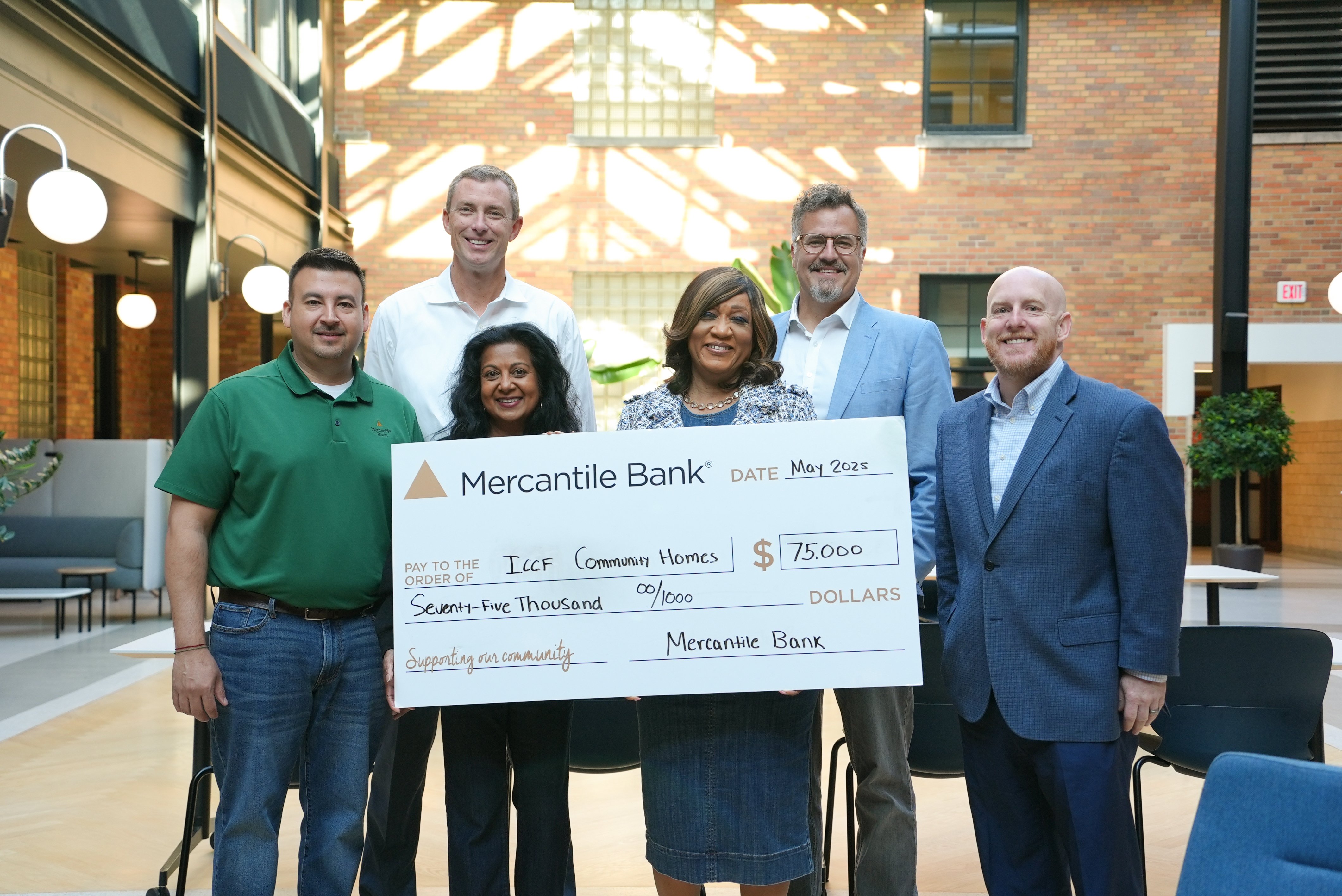
Mercantile Bank supports ICCF Community Homes with a $75,000 grant to expand affordable housing in West Michigan, fostering long-term community...