



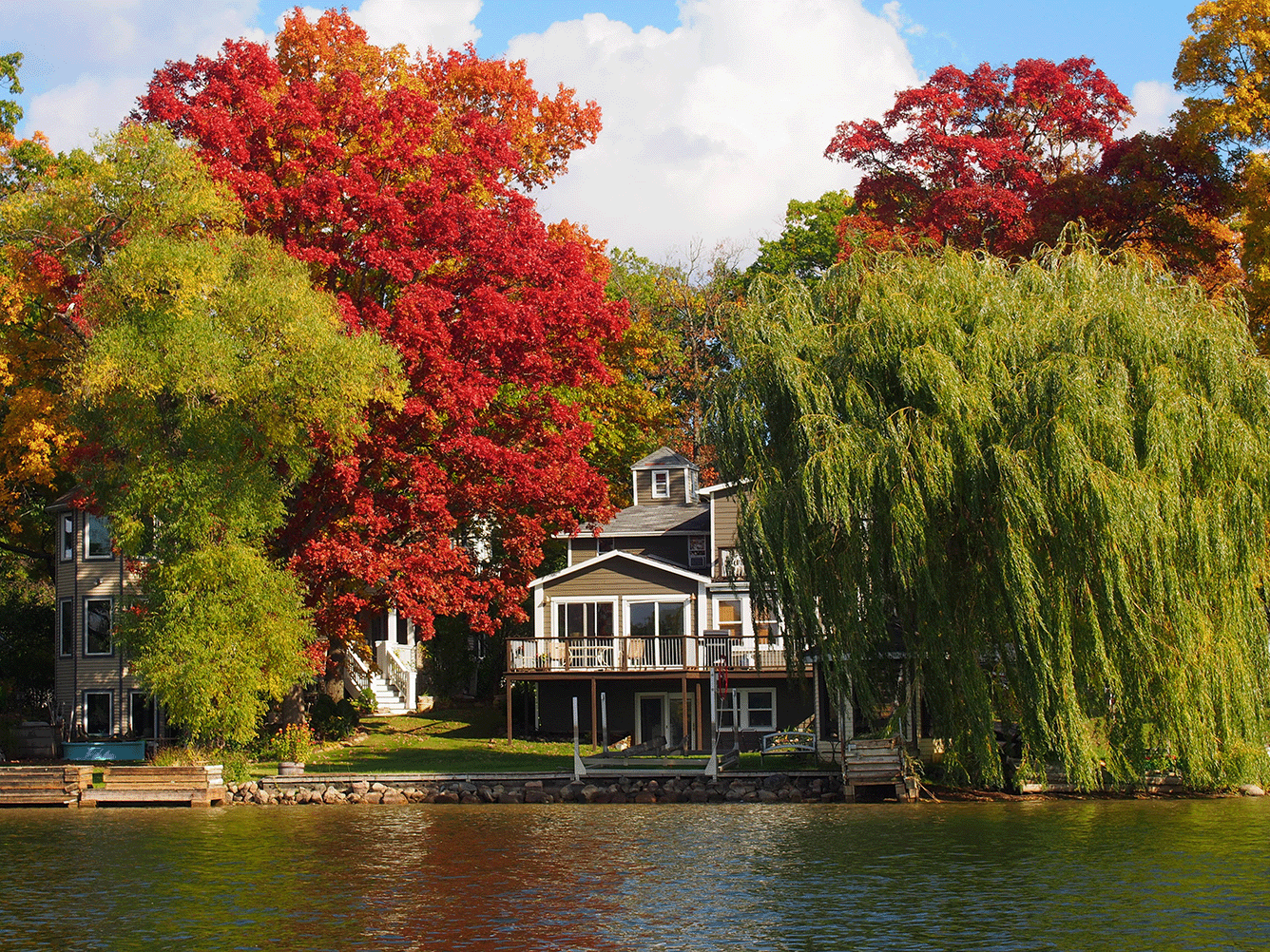
From lake houses and cottages to cabins Up North, one of our Petoskey-based Mortgage Loan Officers, Jon Lyons, shares what buyers should know about financing a second home.
By Jon Lyons
Mortgage Loan Officer | NMLS # 426123
Picture this: It's Friday afternoon. You finish work, pack up the car, and head north. Maybe it's a cottage on the lake. Maybe it's a cabin tucked into the woods. Maybe it's a condo near the water where you can spend summer weekends and holiday breaks.
For many Michigan families, owning a second home isn't just a dream. It's a goal that's closer than they think.
One of the biggest surprises I hear from buyers is that financing a second home is often more attainable than they expected. But before you start scrolling listings in Traverse City or fall in love with a lake view in Petoskey and start planning next summer's weekends, it's important to understand how second-home financing works.
Let's walk through some of the basics.
What Actually Qualifies as a Second Home?
This is usually the first question buyers ask.
A second home isn't the same thing as an investment property, and banks look at them differently. I know, it sounds straightforward. But this is where a lot of buyers have questions.
Your primary residence is where you live most of the year.
A second home is a property you occupy for part of the year for personal use. Think vacation homes, seasonal cottages, lake houses, or weekend getaways.
An investment property is purchased primarily to generate rental income.
Why does that distinction matter? Because it affects everything from loan options and down payment requirements to interest rates and qualification guidelines.
Banks also look at how you intend to use the property. A second home must generally be suitable for your personal use, and there are occupancy requirements that help distinguish it from an investment property.
Can you rent it out occasionally when you're not using it? In most cases, yes. However, there are limitations and program guidelines that vary by loan type. That's why it's important to discuss your plans with a Mortgage Loan Officer early in the process, especially if you expect to rent the property for part of the year.
The Good News: Second Homes Often Have Better Financing Options
When buyers hear "second home," they sometimes assume the financing process is the same as purchasing an investment property.
That's often not the case. In fact, this is usually where the conversation gets a lot more interesting.
Because second homes are intended for personal use, they frequently qualify for more favorable mortgage options than investment properties.
That can mean:
-
Lower interest rates than many investor loans
-
Lower down payment requirements
-
More available loan programs
-
Greater financing flexibility
In other words, if you're buying a cottage for your family to enjoy rather than as a full-time rental property, you may have more financing options available than you realize.
Expect a Larger Down Payment
While second-home financing can be very attractive, it's important to know that down payment requirements are typically higher than they are for a primary residence.
Many buyers are surprised to learn that some second-home financing programs start with as little as 10% down, although requirements vary based on the property, loan program, credit profile, and overall financial situation.
Why the larger down payment? Fair question.
Simply put, banks want borrowers to have additional equity in a property that isn't their primary residence.
In some situations, buyers may choose or be required to put more down, but there are often several financing options available depending on your goals.
Your Current Home May Help You Qualify
One misconception is that buyers need to save every dollar for a second-home purchase separately.
In reality, many homeowners already have resources available that may help make the purchase possible.
Depending on your situation, those resources could include:
-
Equity in your current home
-
A cash-out refinance
-
A home equity line of credit (HELOC)
-
Proceeds from selling another property
-
Gift funds, when permitted by the loan program
Every situation is different, which is why it's helpful to explore options with a Mortgage Loan Officer before assuming a second home is out of reach.
Don't Forget the True Cost of Ownership
One area that often surprises buyers is the true cost of owning a second home.
It's easy to focus on the mortgage payment and overlook some of the other costs that come with owning a second home.
Before buying, consider expenses such as:
-
Property taxes
-
Homeowners insurance
-
Furnishing the property
-
Ongoing maintenance and repairs
-
Travel costs
-
HOA fees, if applicable
And if you're purchasing a lake house, cabin, or vacation property, there can be seasonal expenses that don't always show up in the real estate listing.
Dock maintenance. Winterization. Snow removal. Seasonal utility costs. Landscaping. Tree maintenance. None of these expenses are particularly exciting, but they're all part of the experience.
The goal is simple: make sure the home remains a source of enjoyment, not financial stress.
Is a Second Home Right for You?
The truth is that there isn't a one-size-fits-all answer.
For some people, a second home creates a place where family and friends gather for years to come and make memories. For others, it simply provides an opportunity to spend more time in the places they love most.
If you've been thinking about purchasing a cottage, cabin, lake house, or vacation property, the best first step is understanding your financing options and how they fit into your overall financial picture.
You might be surprised at what's possible.
Disclosure: These scenarios are for illustration only and do not represent current Mercantile Bank rates or a rate quote. This is not a commitment to lend. Contact a Mercantile Bank Mortgage Loan Officer for full details and a free rate quote.
More Mercantile Insights
Expert financial tips and insights to help you make informed banking decisions.